Yellow Perch: Discover How to Identify and Tips to Catch Successfully
Yellow perch are popular among anglers. They’re known for their vibrant colors and tasty meat.
Yellow perch are a favorite for fishing enthusiasts. Their striking golden hue and distinctive patterns make them easy to spot. Knowing how to identify yellow perch is essential for successful fishing. These fish are found in many lakes and rivers, offering a great challenge for both novice and experienced anglers.
Whether you’re aiming to catch your first perch or looking to improve your fishing skills, understanding their habits is key. In this guide, we’ll explore how to identify yellow perch and share some effective tips on catching them. Get ready to enhance your fishing experience and bring home a great catch.
Credit: norrik.com
Introduction To Yellow Perch
The Yellow Perch, a popular freshwater fish, attracts anglers of all ages. Known for their vibrant colors and delicious taste, these fish are a prized catch. Understanding their habitat and behavior can improve your fishing success.
Habitat And Distribution
Yellow Perch thrive in freshwater lakes, rivers, and ponds. They prefer clear water with abundant vegetation. These fish are native to North America, especially the Great Lakes region. They are also found in various parts of Canada. They adapt well to different environments, making them widespread.
Importance In Fishing
Yellow Perch play a significant role in recreational fishing. Their size and taste make them a favorite for many anglers. They are known for their feisty nature, providing a fun challenge. Ice fishing enthusiasts also target Yellow Perch during the winter months. Their abundance ensures a steady supply for fishing activities. They are also important for maintaining ecological balance in freshwater habitats.
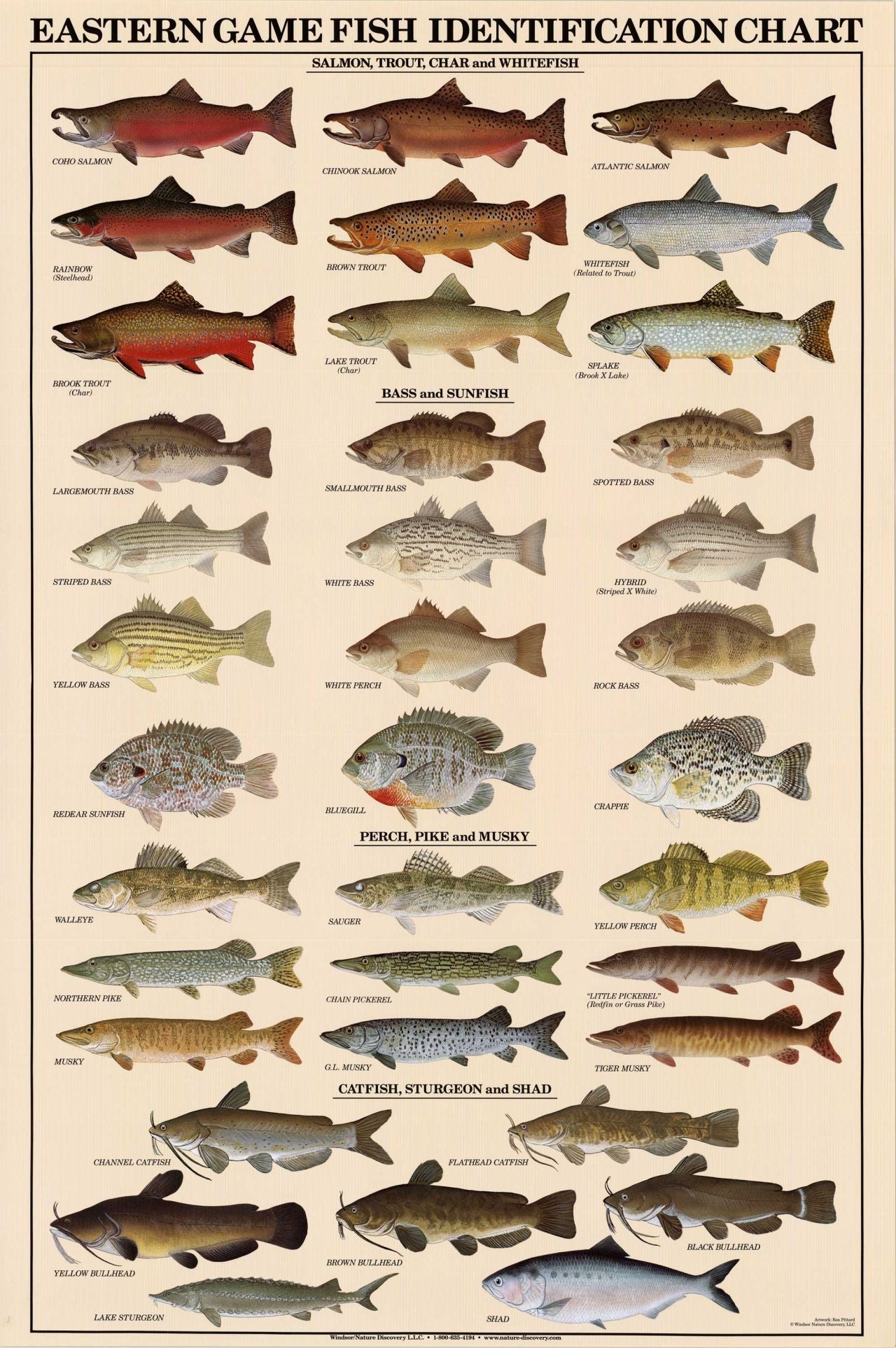
Credit: www.chartingnature.com
Identifying Yellow Perch
When it comes to fishing, identifying Yellow Perch is essential. These fish are popular and catching them can be thrilling. Let’s explore the key features and behaviors that will help you recognize Yellow Perch easily.
Physical Characteristics
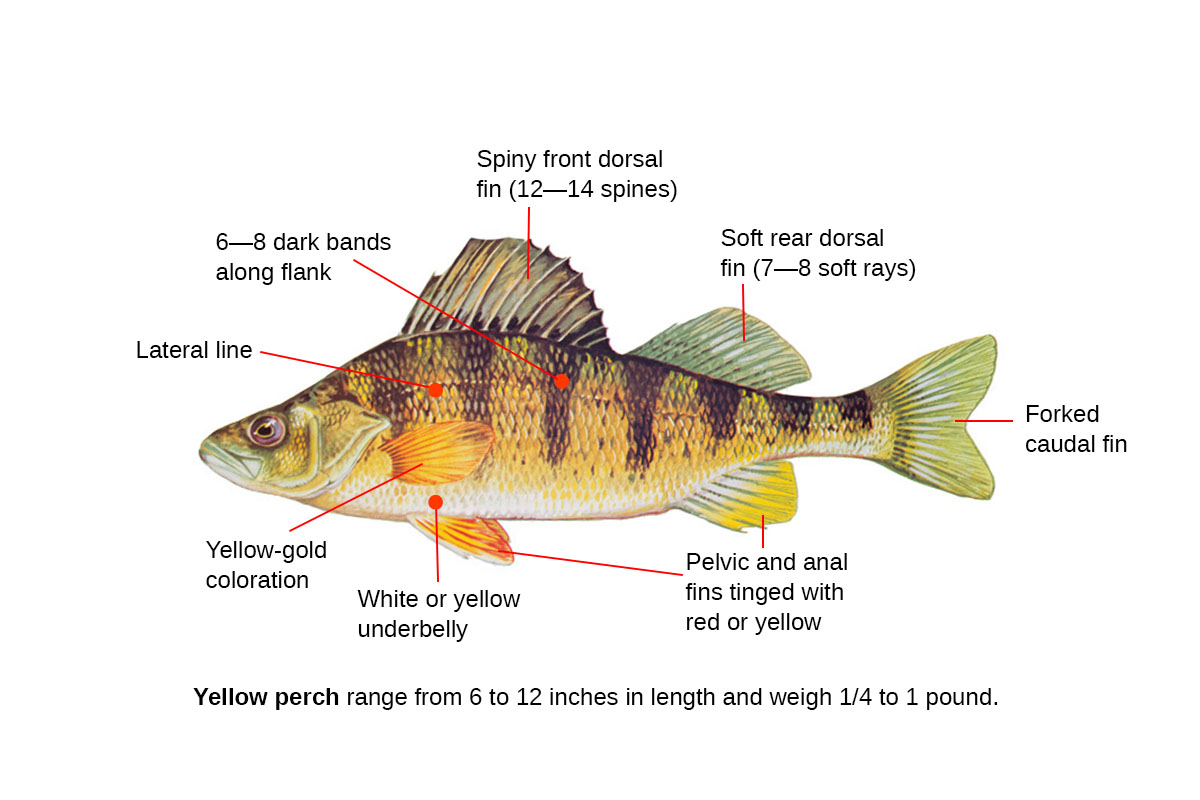
Yellow Perch have distinct physical features. They have a golden-yellow body with dark vertical stripes. These stripes usually range from six to eight. Their bellies are white and their fins are a mix of orange and red.
Their dorsal fins are spiny and separate. The first dorsal fin has sharp spines, while the second one is softer. Yellow Perch have a small mouth, and their eyes are large compared to their head size. These features help in quick identification.
Below is a table summarizing the main physical characteristics:
| Feature | Description |
|---|---|
| Body Color | Golden-yellow with dark vertical stripes |
| Belly Color | White |
| Fin Color | Orange and red |
| Dorsal Fins | Spiny and separate |
| Mouth | Small |
| Eyes | Large |
Behavior Patterns
Yellow Perch exhibit unique behavior patterns. They often swim in schools, especially in the daytime. This makes them easier to spot and catch.
They prefer shallow waters during the warmer months. In colder seasons, they move to deeper waters. Understanding their seasonal movements can improve your fishing success.
Yellow Perch are also active feeders. They feed on small fish, insects, and crustaceans. Their feeding times are usually early morning and late afternoon. Knowing this can help you plan your fishing trips better.
- Schooling Behavior: Swim in groups, making them easier to catch.
- Seasonal Movement: Shallow waters in summer, deeper in winter.
- Feeding Habits: Active feeders, early morning, and late afternoon.
Seasonal Patterns
Understanding the seasonal patterns of yellow perch can significantly improve your fishing success. These fish exhibit distinct behaviors throughout the year. By learning these patterns, you can target them more effectively. Let’s explore their habits during different seasons.
Spring And Summer Habits
In spring, yellow perch move to shallow waters to spawn. They prefer areas with vegetation and gravel. Look for them near shorelines, in bays, or around reeds. They become more active as the water warms. During summer, perch seek cooler, deeper waters during the day. Early morning and late evening are the best times to catch them. They often school near structures like submerged logs or weed beds.
Fall And Winter Changes
In fall, yellow perch move to mid-depth waters. They follow their prey, which also migrates to deeper areas. Perch feed actively to prepare for winter. Focus on drop-offs and underwater humps. In winter, they stay in deeper waters under ice. Use small jigs or live bait for ice fishing. Early winter and late winter are prime times as they are more active.
Best Locations
Yellow Perch are popular among anglers due to their delicious taste and fun catch. But where can you find these fish? Here are the best locations to catch Yellow Perch.
Lakes And Ponds
Lakes and ponds are excellent spots for Yellow Perch. They thrive in freshwater lakes with clear waters. Look for them near the shore where vegetation is dense. Perch often hide among plants. Drop your bait near lily pads or reeds. Early morning or late afternoon is the best time to fish. Yellow Perch prefer cooler water temperatures. Keep an eye on the weather; cooler days are more productive.
Rivers And Streams
Rivers and streams are also great for catching Yellow Perch. They favor slow-moving rivers with plenty of cover. Look for deep pools or bends in the river. These areas provide shelter and food. Perch often gather near submerged logs or rocks. Cast your line near these structures. Use small jigs or live bait to attract them. Fishing near bridges can also be fruitful. Bridges offer shade and attract small fish, which perch feed on. Fish during the early morning or evening hours for best results.
Fishing Gear And Equipment
To catch Yellow Perch successfully, using the right fishing gear and equipment is crucial. Having the correct tools can make your fishing experience more enjoyable and productive. Below, you will find detailed information on the ideal rods, reels, bait, and lures to use for Yellow Perch fishing.
Rods And Reels
Choosing the right rod and reel is essential for Yellow Perch fishing. A light to ultralight rod is recommended. These rods usually range from 5 to 7 feet in length. They provide the sensitivity needed to feel the gentle bites of Yellow Perch. Pair this rod with a spinning reel that matches the rod’s weight and balance. Look for a reel with a smooth drag system and good line capacity.
| Rod Type | Length | Action |
|---|---|---|
| Light | 5-7 feet | Fast |
| Ultralight | 5-7 feet | Fast |
Bait And Lures
Using the right bait and lures can significantly increase your chances of catching Yellow Perch. Live bait is often the most effective. Common choices include minnows, worms, and insect larvae. These mimic the natural diet of Yellow Perch and attract them easily.
Artificial lures can also be effective. Small jigs, spinners, and soft plastics work well. Choose lures in bright colors like yellow, white, or chartreuse. These colors are easily visible in the water and attract the attention of Yellow Perch.
- Live Bait: Minnows, worms, insect larvae
- Artificial Lures: Small jigs, spinners, soft plastics
Remember to use small hooks and light lines. Yellow Perch have small mouths and can be easily spooked by heavy tackle. A 4-6 lb test line is usually sufficient.
Techniques For Catching Yellow Perch
Yellow perch are identified by their golden-yellow color and vertical dark stripes. Use live bait like minnows or worms for best results. Try jigging near weed beds and drop-offs to catch them.
Catching yellow perch can be a fun and rewarding experience. These fish are known for their striking yellow and green colors. They are also popular for their tasty fillets. To catch them, you need to know a few techniques. Below, we will explore some effective methods.Casting Methods
Casting is one of the simplest ways to catch yellow perch. Use a light rod and reel. Opt for a four to six-pound test line. This setup works best for casting small lures. Jig heads with soft plastics are great choices. Cast your lure near structures. Yellow perch often hide near weeds and rocks. Let the lure sink a bit before you reel it in. Use a slow, steady retrieve. This mimics the movement of prey and attracts perch.Drifting And Trolling
Drifting and trolling are effective for covering more water. This increases your chances of finding a school of yellow perch. Use a boat to drift slowly across the water. Keep your bait near the bottom. This is where perch usually feed. Try using live bait like minnows or worms. They are very appealing to yellow perch. Trolling involves moving your boat at a slow speed. Use a rod holder to keep your line in the water. Attach a small spinner or crankbait. These lures create vibrations that attract perch. Change your trolling speed and direction occasionally. This makes your lure more enticing to the fish. Both drifting and trolling require patience. But they can be very effective once you locate a good spot. Remember to keep your equipment light and your bait close to the bottom. “`Tips For Success
Yellow perch are a favorite among anglers for their tasty fillets and the fun they provide when caught. To improve your chances of success, there are several tips to keep in mind. Understanding the best time to fish, the right weather conditions, and other key factors can make all the difference. Let’s dive into some practical tips for success.
Time Of Day
Early morning and late afternoon are ideal times to catch yellow perch. During these periods, they are more active and easier to find. Midday fishing can be challenging since yellow perch tend to move to deeper waters to avoid the heat. Focus your efforts on dawn and dusk for the best results.
Weather Conditions
Cloudy days and light rain offer great opportunities for catching yellow perch. These conditions make perch more active and willing to bite. Bright sunny days can make them hide in deeper waters, making them harder to catch. Pay attention to the weather forecast before planning your fishing trip.
Handling And Cooking Yellow Perch
Yellow perch are identifiable by their vibrant yellow color and dark vertical stripes. Catching them requires live bait or small lures. Handle gently and cook by frying or baking for best results.
Handling and cooking yellow perch requires care. This fish is not only a popular catch among anglers but also a delicious meal. Whether you plan to release your catch or cook it, proper techniques are essential.Proper Catch And Release
Handle yellow perch gently to avoid stress. Wet your hands before touching the fish. This prevents removing their protective slime coating. Use barbless hooks to make removal easier. Quickly remove the hook with pliers. If the fish is deeply hooked, cut the line and leave the hook in. It will dissolve over time. Minimize air exposure by keeping the fish in water as much as possible. Release the fish gently back into the water, allowing it to swim away on its own.Popular Recipes
Yellow perch has a mild, sweet flavor. It’s perfect for many recipes. One popular method is pan-frying. Coat the fillets with seasoned flour. Heat oil in a skillet. Cook the fillets for about 3 minutes on each side. Another favorite is baking. Place the fillets on a greased baking sheet. Season with herbs and lemon juice. Bake at 375°F for 15 minutes. Grilling is also a great choice. Brush the fillets with olive oil. Season with salt and pepper. Grill over medium heat for 4-5 minutes per side. Enjoy your yellow perch with a side of vegetables or a fresh salad. By following these tips, you can ensure a successful and tasty experience with yellow perch.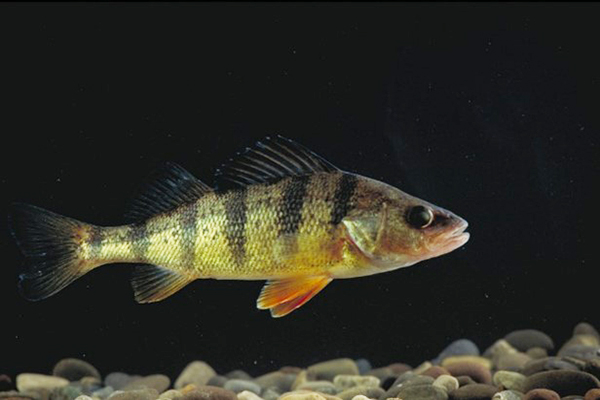
Credit: www.lakehopatcongfoundation.org
Frequently Asked Questions
What Does A Yellow Perch Look Like?
A Yellow Perch has a yellowish body with dark vertical stripes. It also features a spiny dorsal fin.
Where Can You Find Yellow Perch?
Yellow Perch are commonly found in freshwater lakes, rivers, and ponds across North America.
What Bait Works Best For Yellow Perch?
Live bait such as worms, minnows, and insects works best for catching Yellow Perch.
What Is The Best Time To Catch Yellow Perch?
The best time to catch Yellow Perch is during early morning or late evening hours.
Conclusion
Catching yellow perch can be a fun experience. Identify them by their golden color and dark stripes. Use small hooks and live bait for best results. Remember to fish during early morning or late evening. Practice patience and enjoy the process.
With these tips, you can improve your chances. Happy fishing!