Best Time to Go Saltwater Fishing: Ultimate Seasonal Guide
Saltwater fishing is a thrilling experience. Timing matters for the best catch.
Understanding the best time to go saltwater fishing can make all the difference. Fish behavior changes with tides, seasons, and moon phases. Early morning and late afternoon are often ideal times. But, each species has its own peak activity period.
For example, some fish are more active during specific tidal movements. Knowing when to fish can improve your chances of success. This guide will help you understand the best times for saltwater fishing. Ready to reel in the big ones? Let’s explore the optimal fishing times.

Credit: www.pinterest.com
Introduction To Saltwater Fishing
Saltwater fishing offers a unique and thrilling experience for anglers. The vastness of the ocean presents endless opportunities. From catching big game fish to enjoying serene coastal waters, saltwater fishing has it all. Whether you are a seasoned angler or a curious beginner, saltwater fishing can be a rewarding hobby. It can also be an adventure filled with excitement and challenges. Understanding the basics can help you maximize your fishing trips.
Benefits Of Saltwater Fishing
Saltwater fishing can improve your physical health. It can also boost mental well-being. Spending time near the ocean can reduce stress and anxiety. The fresh air and sunshine can also enhance your mood. Fishing can also be a social activity. You can bond with friends and family while enjoying the sport. Additionally, it provides an opportunity to learn about marine life and ecosystems. Saltwater fishing can be a fulfilling hobby.
Essential Gear And Equipment
Having the right gear is crucial for saltwater fishing. A sturdy rod and reel are essential. Make sure they can withstand the harsh ocean environment. Good quality fishing lines and hooks are also important. They help in handling larger and stronger fish. Do not forget to bring a tackle box with various lures and baits. Each species of fish may require different types of bait. A fishing license is also needed in many areas. Always check local regulations before heading out. Safety gear like life vests and first aid kits are also important. They ensure you have a safe and enjoyable fishing experience.
Spring Fishing
Spring brings new life and energy to saltwater fishing. As the water warms up, fish become more active and plentiful. This makes spring an exciting season for anglers.
Best Fish To Target
During spring, many fish species are abundant. Here are some of the best fish to target:
- Redfish: Active and found in shallow waters.
- Speckled Trout: Often found in estuaries and coastal bays.
- Flounder: Look for them near sandy bottoms and estuaries.
- Sheepshead: Often around piers, jetties, and rocky areas.
These fish are more active and easier to catch in spring. Their movements are predictable, which is perfect for anglers.
Ideal Locations
Finding the right location is key to a successful fishing trip. Here are some ideal spots for spring saltwater fishing:
| Location | Characteristics |
|---|---|
| Coastal Bays | Shallow waters with lots of fish activity. |
| Estuaries | Mix of salt and fresh water, rich in nutrients. |
| Piers and Jetties | Structures attract fish looking for food and shelter. |
| Rocky Shores | Ideal for targeting sheepshead and flounder. |
These locations offer the best opportunities for a fruitful catch. Each has its unique advantages and can yield a variety of fish.
Summer Fishing
Summer is an ideal season for saltwater fishing. The warm waters attract a variety of fish, making it a perfect time for anglers. Whether you are experienced or a beginner, summer fishing can be an exciting adventure. Let’s explore some top species to catch and popular fishing spots during this season.
Top Species To Catch
During summer, you can catch some of the most popular saltwater fish. Here are some top species:
- Redfish: These fish are common in coastal waters and are known for their strength.
- Flounder: Flounders are found near the shore and are easy to catch.
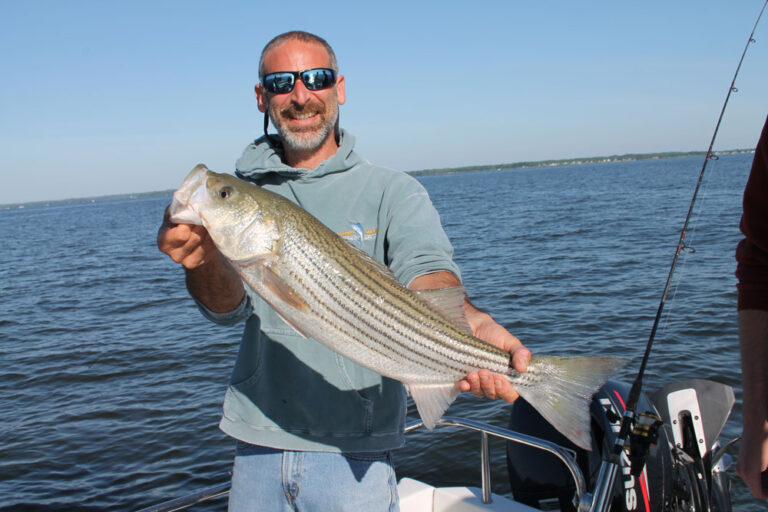
- Striped Bass: These fish are popular and can be found in many coastal areas.
- Bluefish: Bluefish are aggressive and provide a good fight for anglers.
Popular Fishing Spots
There are many excellent fishing spots to explore during the summer. Here are some of the best places:
| Location | Description |
|---|---|
| Florida Keys | This spot offers a variety of fish species and clear waters. |
| Outer Banks, North Carolina | Known for its rich fishing grounds and beautiful scenery. |
| Galveston, Texas | Popular for its diverse marine life and accessible fishing piers. |
| San Diego, California | Offers excellent deep-sea fishing opportunities. |
Choosing the right spot can enhance your summer fishing experience. These locations are known for their abundance of fish and beautiful surroundings. Pack your gear and enjoy a memorable fishing trip this summer!
Fall Fishing
Fall is a fantastic season for saltwater fishing. The cooling temperatures and changing weather patterns create the perfect conditions. Fish behavior shifts, making it an exciting time for anglers. This season offers ample opportunities to catch a variety of fish.
Seasonal Fish Behavior
During fall, fish begin to prepare for winter. They become more active, feeding heavily to build up fat reserves. This makes them easier to catch. Fish like striped bass, redfish, and flounder are more aggressive. They move closer to shore, seeking food. Cooler water temperatures also reduce their activity range, concentrating them in specific areas.
Predatory fish follow baitfish migrations. Baitfish schools become more predictable, making it easier to locate larger fish. Understanding these patterns helps improve your catch rate. Fall fishing is about being in the right place at the right time. Observing water temperature and tide changes can give you an edge.
Prime Fishing Areas
Estuaries and coastal bays are prime spots in the fall. These areas provide shelter and abundant food sources. Fish gather here before migrating offshore for the winter. Look for structures like jetties, piers, and rock formations. These attract fish seeking cover and ambush points.
Reefs and wrecks also become hotspots. They offer hiding spots for smaller fish and hunting grounds for predators. Offshore fishing can be rewarding too. Larger species like tuna and marlin are more active. They follow schools of baitfish, creating thrilling fishing experiences.
Don’t overlook inshore waters. Flats and marshes can be productive. Redfish and speckled trout are common targets. These shallow areas warm up faster, attracting fish looking for food. Pay attention to tidal movements. Incoming tides bring nutrients and baitfish, drawing in larger predators.
Winter Fishing
Winter fishing offers unique opportunities for saltwater anglers. The cold season brings different species closer to shore. The experience can be thrilling and rewarding. Winter fishing requires specific knowledge and preparation. Understanding which species thrive in cold waters is essential. Staying safe in harsh conditions is also crucial.
Cold-weather Species
During winter, certain fish species become more active in saltwater. Striped bass, for example, are common targets. They prefer cooler waters and are often found near the shore. Another popular species is the winter flounder. This fish is known for its delicious taste and abundance in colder months. Bluefish and cod also thrive in winter. Anglers can find them in deeper waters, where they gather in larger numbers. Knowing where and when to fish increases your chances of a successful trip.
Safety Tips For Winter Fishing
Winter fishing requires extra safety precautions. Dress in layers to stay warm. Use waterproof and windproof outerwear to protect against the elements. Always check the weather forecast before heading out. High winds and rough seas can be dangerous. Bring a buddy along for added safety. It’s important to have someone who can help in case of an emergency. Make sure your boat is in good condition. Regular maintenance checks are vital. Keep a first aid kit and emergency supplies on board. Staying safe ensures a more enjoyable fishing experience.

Credit: www.youtube.com
Tides And Moon Phases
Understanding the tides and moon phases can greatly improve your saltwater fishing success. These natural events influence fish behavior, feeding patterns, and their movement. Knowing the right times to fish can make a huge difference.
Impact On Fish Activity
The tides and moon phases have a significant impact on fish activity. Fish are more active during certain times, and this is often linked to the tidal movements. During high tides, fish move towards the shore to feed. Low tides, on the other hand, see fish moving away from the shore.
Moon phases also play a crucial role. The full moon and new moon phases create stronger tides, known as spring tides. These tides can lead to more fish activity as the water movement stirs up food sources. During quarter moon phases, the tides are weaker, known as neap tides. Fish activity might be lower during these times.
Best Times For Each Phase
Each moon phase offers different opportunities for fishing. Here’s a breakdown:
| Moon Phase | Best Time to Fish |
|---|---|
| New Moon | Early morning and late evening |
| First Quarter | Midday |
| Full Moon | Nighttime |
| Last Quarter | Early morning |
During the new moon, the best times are early morning and late evening. Fish are more likely to feed during these periods. The first quarter is ideal for midday fishing. The sun’s position and the tide’s strength can lead to increased activity.
The full moon brings excellent nighttime fishing opportunities. The bright moonlight can attract fish closer to the surface. Finally, the last quarter phase is best for early morning fishing. Fish tend to be more active as the sun rises.
Weather And Fishing
Understanding the weather is crucial for successful saltwater fishing. Different weather conditions can impact fish behavior. Knowing what to expect can help you plan better. This section will cover how weather affects fish and what the optimal weather conditions are for saltwater fishing.
How Weather Affects Fish
Weather plays a big role in fish activity. Fish are cold-blooded. Their body temperature changes with the water. This affects their metabolism and feeding patterns. In colder waters, fish move slower and eat less. Warmer waters make fish more active and hungry.
Pressure changes also impact fish. High pressure usually means clear skies and calm waters. Fish are less likely to bite then. Low pressure, often before a storm, can make fish more aggressive. They will feed more actively during this time.
Optimal Weather Conditions
Overcast skies are ideal for saltwater fishing. Fish feel safer and are more likely to venture out. A slight breeze can also improve fishing. It helps to break the water’s surface, making fish less wary.
Early morning or late afternoon are the best times. The sun is not too intense. Fish are more likely to be feeding. Avoid fishing during extreme weather. Storms or very high temperatures can make fish inactive. Always check the weather forecast before heading out.
Tips For Successful Fishing
Fishing is an enjoyable and relaxing activity. To have a successful trip, you need the right knowledge. Here are some tips to help you catch more fish.
Choosing The Right Bait
Using the right bait is crucial. Fish have different preferences. Some fish like live bait, while others prefer artificial lures. Research the type of fish you are targeting. Match the bait to their diet.
For saltwater fishing, popular live baits include shrimp, squid, and small fish. Artificial lures can mimic the movement of prey. Choose lures based on the fish species and water conditions.
Techniques For Different Seasons
Fishing techniques change with the seasons. Understanding these changes can improve your catch rate. In spring, fish are more active. They move to shallow waters to feed and spawn. Use shallow diving lures or live bait near shorelines.
In summer, fish seek cooler, deeper waters. Early morning or late evening is the best time to fish. Use deep diving lures or weighted rigs. In fall, fish feed heavily to prepare for winter. They are more aggressive and easier to catch. Use fast-moving lures or live bait.
In winter, fish become sluggish and move slowly. Target deeper areas with slow-moving lures or bait. Focus on sunny days when the water is slightly warmer.
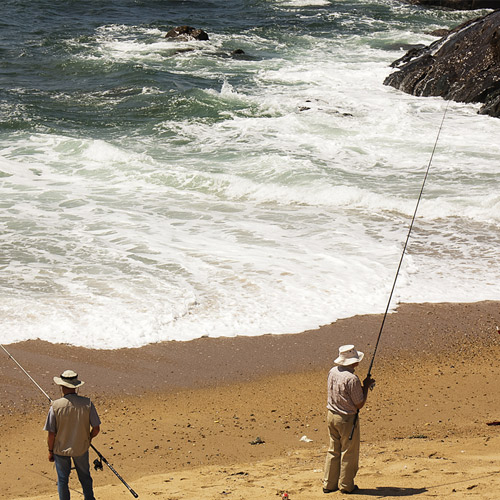
Credit: www.takemefishing.org
Frequently Asked Questions
What Is The Best Season For Saltwater Fishing?
The best season for saltwater fishing varies by location. Generally, late spring to early fall is ideal. Warmer water temperatures encourage fish activity. Always check local conditions.
What Time Of Day Is Best For Saltwater Fishing?
Early morning and late afternoon are best for saltwater fishing. Fish are more active during these cooler, low-light periods. This increases your chances of a successful catch.
Does The Tide Affect Saltwater Fishing?
Yes, the tide significantly affects saltwater fishing. Fish are more active during incoming and outgoing tides. These tides bring food and increase fish movement.
Is Saltwater Fishing Good During A Full Moon?
Saltwater fishing can be excellent during a full moon. Increased lunar activity often makes fish more active. This can lead to better catches.
Conclusion
Choosing the best time for saltwater fishing is crucial. Early morning and late afternoon are ideal. Tides and moon phases also matter. Different fish are active at different times. Plan your trip accordingly. Check the weather forecast before heading out.
Safety first. Enjoy the thrill of catching your favorite fish. Happy fishing!