Fishing During Different Seasons: Expert Tips for Every Time of Year
Fishing is a popular hobby enjoyed worldwide. It changes with each season, offering unique challenges and rewards.
Whether you’re an experienced angler or new to fishing, understanding how different seasons affect fish behavior is crucial. Each season brings distinct weather patterns and water conditions. These changes influence where fish are and how they respond to bait. For example, fish might be more active in spring and less so in winter.
Knowing these seasonal shifts can make your fishing trips more successful. This guide will explore how fishing varies through the year. By learning these seasonal patterns, you can improve your chances of catching more fish and enjoying your time on the water.

Credit: hub.jacksonkayak.com
Spring Fishing
Spring marks the beginning of a vibrant fishing season. The water starts to warm, and fish become more active. This time of year offers anglers a chance to catch various species. Knowing the best locations and using the right baits and lures can make your spring fishing experience unforgettable.
Best Locations
Finding the best locations is crucial for a successful spring fishing trip. Here are some top spots:
| Location | Description |
|---|---|
| Rivers | Fish move upstream to spawn. Look for areas with slow-moving water. |
| Lakes | Shallow areas warm up quickly, attracting fish. Focus near shorelines. |
| Ponds | Small ponds heat up fast. Fish are more active in the mornings. |
Top Baits And Lures
Using the right baits and lures increases your chances of catching fish. Here are some top choices:
- Live Baits: Worms and minnows work wonders in the spring. Fish are hungry after winter.
- Soft Plastics: Use soft plastic worms and creature baits. They mimic the movement of natural prey.
- Spinnerbaits: These lures create vibrations that attract fish. Ideal for murky waters.
- Crankbaits: Use shallow-diving crankbaits. They work well in warming waters.
Spring fishing offers a unique opportunity for anglers. By choosing the best locations and using the right baits and lures, you can have a successful and enjoyable fishing trip.
Summer Fishing
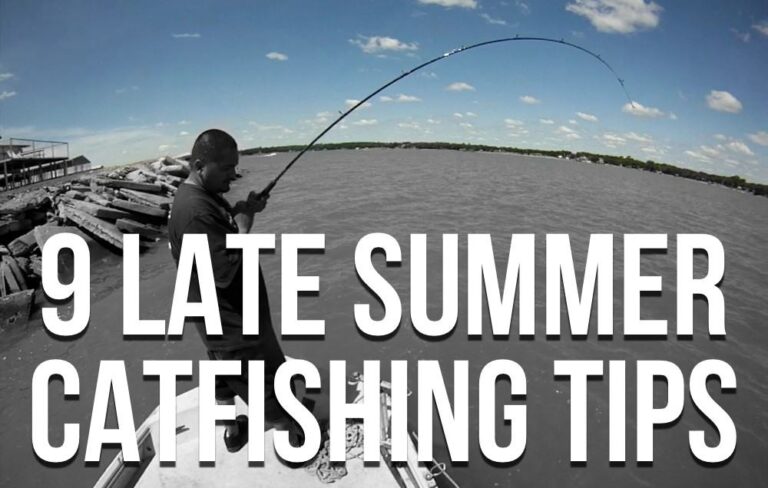
Summer fishing can be both rewarding and challenging. Fish are more active in warm waters, but the heat can also affect their behavior. Knowing when and where to fish during summer can make all the difference. Let’s explore some tips for summer fishing to help you make the most of your time on the water.
Avoiding The Heat
Fishing in the summer heat can be tough. To stay comfortable and safe, follow these tips:
- Wear light, breathable clothing to keep cool.
- Stay hydrated by drinking plenty of water.
- Use sunscreen to protect your skin from harmful UV rays.
- Find shaded areas or use a hat to shield yourself from the sun.
Fish also seek cooler spots in the heat. They often move to deeper waters or shaded areas. Look for places like under docks, near vegetation, or in deeper parts of the lake.
Ideal Fishing Times
The best times to fish in summer are early morning and late evening. During these times, the temperatures are cooler, and fish are more active. Aim to fish:
- Just before sunrise
- Right after sunset
These times offer the best chances for catching fish. The water is cooler, and fish come closer to the surface to feed.
Avoid fishing during midday. The sun is at its peak, and fish tend to stay deeper and less active. Instead, use this time to rest and prepare for your next fishing session.
By following these tips, you can enjoy a successful and pleasant summer fishing experience. Remember to stay safe and make the most of the cooler parts of the day.
Fall Fishing
Fall fishing offers unique opportunities for anglers. Cooler temperatures and active fish make it a prime time for fishing. During this season, fish start preparing for winter, making them more aggressive and easier to catch.
Target Species
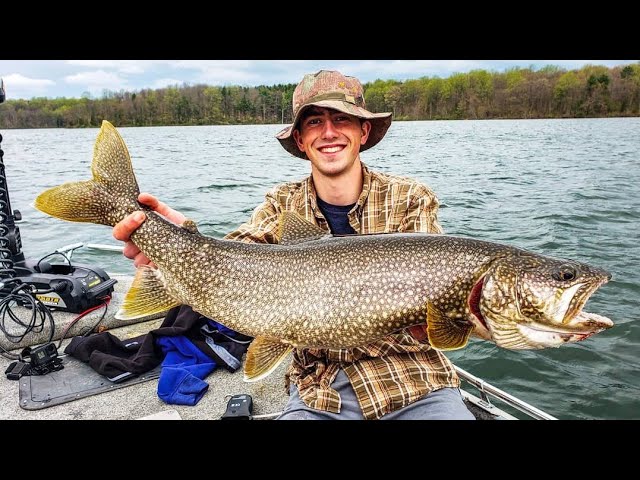
In the fall, some species are more active than others. Bass, walleye, and trout are popular targets. Bass become more aggressive as they feed heavily before winter. Walleye move to shallower waters, making them easier to locate. Trout are active in cooler water, providing great fishing opportunities.
Effective Techniques
Using the right techniques in fall can lead to successful fishing trips. For bass, try using crankbaits and spinnerbaits. These mimic the baitfish bass are chasing. For walleye, jigging with minnows or worms works well. Their diet changes, so live bait is effective. For trout, fly fishing with nymphs or streamers can be productive. They are more likely to bite these in cooler waters.

Credit: www.researchgate.net
Winter Fishing
Winter fishing can be a thrilling experience. The serene, snowy landscapes offer a unique backdrop. Unlike other seasons, winter fishing requires special preparation. Understanding the right gear and safety measures is crucial.
Safety Tips
Always check the ice thickness before venturing out. A minimum of four inches is generally safe. Dress in layers to stay warm and dry. Wearing a life jacket adds an extra layer of safety. Carry a rope and ice picks for emergencies. Never go ice fishing alone.
Ice Fishing Gear
Invest in a quality ice auger to drill holes in the ice. A good ice fishing rod is shorter and stronger than regular rods. Use a portable ice shelter to protect yourself from the wind. A sled can help transport your gear easily. Don’t forget a fish finder to locate the best spots.
Freshwater Fishing
Freshwater fishing offers a serene escape into nature. It allows anglers to explore lakes, rivers, and streams. Each season brings its unique charm and challenges. With proper knowledge, each trip can be rewarding and enjoyable.
Popular Spots
In spring, head to lakes with shallow waters. Fish are more active and easier to catch. Rivers with slow currents are also great choices. Summer calls for cooler, deeper spots. Fish seek refuge from the heat. Look for shaded areas or deeper parts of lakes.
Fall is perfect for fishing near riverbanks. Fish prepare for winter, making them more aggressive. Winter fishing requires a bit more effort. Ice fishing on frozen lakes is popular. Always ensure the ice is thick enough for safety.
Seasonal Species
Spring brings spawning season. Bass and crappie are abundant. Their activity levels increase, making them easier to catch. During summer, focus on catfish and bluegill. They thrive in warm water and are more active.
In fall, walleye and perch are popular targets. They prepare for winter by feeding more. Winter fishing offers a chance to catch trout. They remain active in cold water. Ice fishing can yield pike and panfish as well.
Saltwater Fishing
Saltwater fishing offers endless opportunities for adventure. The ocean holds many fish species. Each season brings unique fishing experiences. Understanding the best times and practices can make a big difference. Let’s explore some key factors for successful saltwater fishing.
Tide Considerations
Tides play a crucial role in saltwater fishing. Fish tend to feed during moving tides. High tides bring fish closer to shore. Low tides often expose sandbars and other structures. These can be great spots to find fish. Always check tide charts before heading out. Adjust your fishing times based on tide movement. This increases your chances of a good catch.
Best Seasonal Practices
Each season affects fish behavior in different ways. Spring is a great time for many species. Fish are more active as the water warms up. Summer offers the best fishing opportunities. Fish are abundant and easier to find. Fall is another excellent season. Fish feed more to prepare for winter. Winter can be challenging, but some species thrive in cold water. Knowing the best practices for each season helps you catch more fish.
Fishing Gear Tips
Fishing during different seasons requires the right gear for success. The weather, water temperature, and fish behavior change. So, your fishing gear must adapt too. Below are some tips to help you adjust your gear for each season.
Seasonal Adjustments
In spring, fish start to become more active. They move to shallow waters. Use lighter gear and smaller baits. Fish are still sluggish from winter. They won’t chase large lures.
Summer brings warmer water. Fish are more aggressive and spread out. Use faster reels and bigger lures. Fish may be deeper in the water to stay cool.
Fall is a time of change. Fish prepare for winter. They feed more to build energy. Use medium-weight gear and versatile lures. Fish are active but can be picky.
Winter fishing is challenging. Water is cold and fish are slow. Use heavier gear and slow-moving baits. Fish are in deeper, warmer waters. Patience is key.
Essential Equipment
Always have a variety of lures. Different seasons need different lures. In spring, use small jigs and spinners. Summer needs crankbaits and spoons. Fall calls for soft plastics and jerkbaits. Winter requires heavy jigs and live bait.
Choose the right fishing line. Use lighter lines in spring and fall. Summer may need stronger lines. Winter fishing demands the strongest lines. Fish can break light lines in cold, dense water.
Keep a good tackle box. Organize it by season. This saves time and helps you adapt quickly. Check your gear regularly. Replace worn-out items. Clean your equipment after each trip. Proper care extends gear life.
Weather Impact
Fishing is an activity that’s deeply affected by weather changes. Different seasons bring unique conditions that can impact fish behavior. Understanding weather patterns and adapting to these conditions can enhance your fishing experience significantly.
Reading Weather Patterns
Reading weather patterns is crucial for successful fishing. Fish respond to changes in temperature, wind, and atmospheric pressure. Warm weather might make fish more active, while cold weather can slow them down. Overcast skies often lead to better fishing, as fish feel safer from predators. Rain can stir up the water, bringing food closer to the surface.
Knowing how to read the weather can help you predict fish behavior. Check weather forecasts before planning your trip. Look for changes in temperature and pressure. These can signal shifts in fish activity. Use weather apps that provide detailed forecasts and data specific to your fishing location.
Adapting To Conditions
Adapting to changing weather conditions is key to successful fishing. If the temperature drops, fish might move to deeper waters. Adjust your bait and techniques accordingly. On hot days, fish might seek cooler, shaded areas. Early mornings and late evenings are often the best times to fish in summer.
Wind can also play a significant role. Strong winds can make casting difficult but can also push fish towards sheltered areas. Adjust your position to take advantage of these changes. Always be prepared to change your strategy based on the weather conditions.

Credit: www.wikihow.com
Frequently Asked Questions
What Is The Best Season For Fishing?
Spring is often the best season. Fish are more active as the water warms up.
How Does Winter Affect Fishing?
Winter slows down fish activity. Fish tend to stay deeper and are less likely to bite.
Do Fish Bite In Summer?
Yes, fish bite in summer. Early mornings and late evenings are usually the best times.
What Equipment Is Best For Fall Fishing?
Use medium to heavy tackle in fall. Fish are feeding heavily, preparing for winter.
Conclusion
Fishing during different seasons offers unique experiences. Each season has its own charm. Understand the patterns of fish behavior. Choose the right equipment for each season. Enjoy the beauty of nature all year round. Relax and have fun while fishing.
Keep learning and adapting your skills. Respect nature and follow local regulations. Happy fishing!