Popular Fishing Line Types & Setup: Ultimate Guide for Anglers
Fishing is a beloved pastime for many. Having the right gear can make all the difference.
When it comes to fishing, the choice of line is crucial. Various fishing line types serve different purposes. Each type has its own strengths and weaknesses. Understanding these can help you make better choices. Whether you’re a beginner or a seasoned angler, knowing your lines can enhance your experience.
This guide will explore popular fishing line types and setups. You’ll learn how to choose the right line and set it up for success. Stay tuned to discover which fishing line suits your needs best.
Introduction To Fishing Lines
Fishing lines are the unsung heroes of fishing. The right line can make a big difference. It can help catch more fish and avoid losing them. Understanding fishing lines is key for both beginners and experts. Let’s dive into the world of fishing lines.
Importance Of Choosing The Right Line
Choosing the right fishing line is essential. A good line can increase your chances of success. It helps in different fishing situations. The right line can handle the weight of the fish. It can also withstand the conditions of the water.
Using the wrong line can lead to lost fish. It can also cause tangles and breaks. This can be frustrating. By understanding the importance of the right line, you can improve your fishing experience.
Basic Types Of Fishing Lines
There are several types of fishing lines. Each has its own advantages. Here are the basic types:
- Monofilament: This is the most common type. It is easy to use and versatile. It stretches, which can help absorb shocks.
- Braided: This line is strong and has no stretch. It is good for heavy cover. It can handle large fish.
- Fluorocarbon: This line is nearly invisible in water. It is good for clear water. It sinks quickly and is abrasion-resistant.
Each type has its own unique qualities. Choosing the right one depends on your needs.
| Type | Strength | Best For |
|---|---|---|
| Monofilament | Medium | General fishing |
| Braided | High | Heavy cover and large fish |
| Fluorocarbon | High | Clear water and quick sinking |
Understanding these basic types will help you choose the right line. This can improve your chances of catching fish. Happy fishing!
Monofilament Fishing Line
The monofilament fishing line is a versatile and popular choice among anglers. It is known for its ease of use and affordability. Monofilament lines are made from a single strand of material, typically nylon, which gives them flexibility and strength. Let’s explore its features and benefits, and learn about the best uses and applications of monofilament fishing line.
Features And Benefits
Monofilament fishing line offers several distinct features and benefits:
- Stretch: Monofilament lines have a significant amount of stretch, which helps absorb shocks.
- Buoyancy: They are slightly buoyant, making them ideal for topwater fishing.
- Visibility: Available in various colors, monofilament lines can be chosen for optimal visibility.
- Cost-Effective: Typically less expensive than other types of fishing lines.
- Knot Strength: High knot strength ensures secure connections with hooks and lures.
Best Uses And Applications
Monofilament fishing lines are suitable for a variety of fishing scenarios:
- Freshwater Fishing: Perfect for fishing in lakes, rivers, and streams.
- Saltwater Fishing: Can be used in saltwater environments, though rinsing after use is recommended.
- Topwater Lures: Ideal for lures that float or stay near the surface.
- Spinning Reels: Works well with spinning reels due to its flexibility.
- Baitcasting Reels: Also compatible with baitcasting reels, providing good casting distance.
Whether you are a novice or an experienced angler, the monofilament fishing line provides a reliable and easy-to-use option. Its versatility and affordability make it a go-to choice for many fishing enthusiasts.
Fluorocarbon Fishing Line
Fluorocarbon fishing line has become a favorite among anglers. It offers unique benefits that can significantly improve your fishing experience. This type of line is virtually invisible underwater, making it ideal for clear water fishing. Let’s dive deeper into the key characteristics and best uses of fluorocarbon fishing line.
Key Characteristics
Fluorocarbon fishing line stands out because of its special properties. Here are some key characteristics:
- Invisibility: Fluorocarbon has a refractive index similar to water. This makes it nearly invisible to fish.
- Sensitivity: This line transmits bites and underwater structures better than other lines.
- Durability: It is highly resistant to abrasion, making it last longer.
- Sinking: Fluorocarbon sinks faster than mono, which helps in certain fishing techniques.
When To Use Fluorocarbon
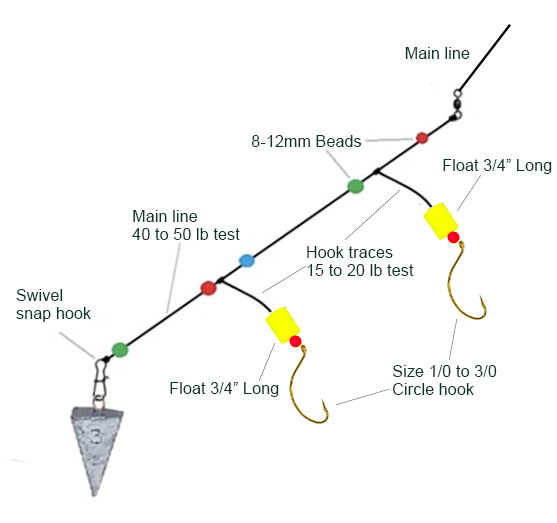
Knowing when to use fluorocarbon can greatly enhance your fishing success. Here are some scenarios:
- Clear Water: Use fluorocarbon in clear water to avoid spooking the fish.
- Heavy Cover: Its abrasion resistance makes it perfect for fishing around rocks or heavy vegetation.
- Deep Water: Since it sinks, fluorocarbon is excellent for deep water fishing.
- Finesse Techniques: The sensitivity of fluorocarbon makes it ideal for techniques like drop shotting and jigging.
Fluorocarbon fishing line can be a game-changer for anglers. Its unique properties offer several advantages, making it a versatile choice for various fishing situations.
Credit: norrik.com
Braided Fishing Line
Braided fishing lines offer strength and durability. Made from synthetic fibers, these lines are tightly woven. Anglers often choose braided lines for their zero stretch and high sensitivity. These features help detect even the slightest bite. Their thin diameter allows more line on the reel. Braided lines are suitable for various fishing conditions.
Advantages Of Braided Lines
Braided lines provide excellent strength. They resist abrasion well, even in rocky areas. Their lack of stretch offers better hook sets. Sensitivity is another key benefit. Anglers can feel every movement under the water. Braided lines also cast further than other types. Their thin diameter reduces air resistance. Durability is another plus. These lines last longer and require fewer replacements.
Ideal Scenarios For Braided Lines
Braided lines excel in heavy cover. They cut through vegetation easily. Use them for deep sea fishing. Their strength handles large, powerful fish. Braided lines work well with topwater lures. The zero stretch ensures quick hook sets. They are also great for long-distance casting. Saltwater fishing is another good fit. The lines resist the corrosive effects of saltwater.
Copolymer Fishing Line
Copolymer fishing line is an excellent choice for many anglers. It combines the benefits of different types of fishing lines. This makes it a versatile option for various fishing situations. Let’s explore the unique traits and best fishing situations for copolymer lines.
Unique Traits Of Copolymer
Copolymer fishing line is known for its strength and flexibility. It is made by blending two or more types of nylon. This results in a line that is stronger than standard monofilament. It also has less stretch, which improves sensitivity.
Another benefit is its lower visibility in water. Fish are less likely to see it. This can increase your chances of a successful catch. Copolymer lines also offer better knot strength. This means fewer lost fish due to line breakage.
Fishing Situations For Copolymer
Copolymer fishing line is suitable for many fishing environments. It works well in both freshwater and saltwater. Use it for bass fishing in lakes or trout in rivers. Its versatility shines in various settings.
It is also great for fishing near structures. The line’s strength helps when pulling fish from rocky areas. Use it in clear water to take advantage of its low visibility. This can make a big difference in catching wary fish.
Copolymer is also a good choice for topwater fishing. Its low stretch helps with hook sets. Anglers can feel bites better, leading to more successful catches.
Credit: www.bcfishingjournal.com
Choosing The Right Fishing Line
Selecting the ideal fishing line is crucial for a successful fishing trip. The right line can improve casting distance, sensitivity, and fish landing. Many anglers often overlook this aspect, but it’s vital for various fishing techniques and conditions.
Factors To Consider
Several factors influence the choice of a fishing line. Here are some key elements to keep in mind:
- Line Strength: Also known as “pound test,” this measures the line’s resistance to breaking.
- Line Diameter: Thinner lines offer less water resistance, but thicker lines are more durable.
- Line Stretch: Some lines stretch under pressure, affecting sensitivity and hook-setting power.
- Visibility: Choose a line that matches the water’s clarity to avoid spooking fish.
- Abrasion Resistance: Essential for fishing in areas with rocks, logs, or other obstructions.
Matching Line To Fishing Conditions
Different fishing conditions require specific types of lines. Here’s a guide to help you match your line to the conditions:
| Condition | Recommended Line | Reason |
|---|---|---|
| Clear Water | Fluorocarbon | Low visibility underwater |
| Heavy Cover | Braid | High strength and abrasion resistance |
| Deep Water | Braid with Fluorocarbon Leader | Sensitivity and low visibility combination |
| Topwater Fishing | Monofilament | Floats on water surface |
By considering these factors and matching your line to the fishing conditions, you can improve your chances of success. Remember to experiment with different types to find what works best for you.
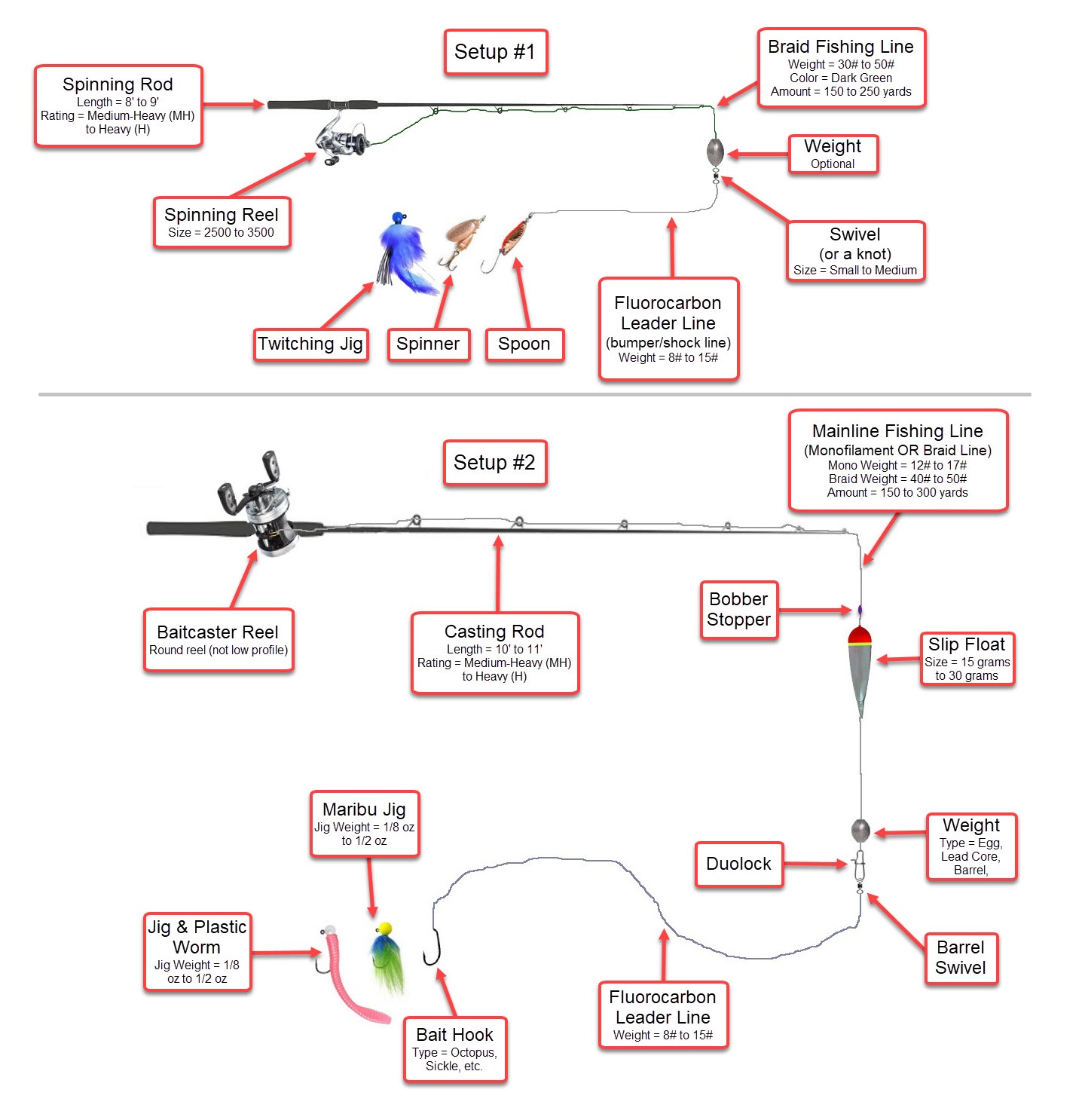
Fishing Line Setup Tips
Setting up your fishing line correctly can improve your fishing experience. There are several key factors to consider to ensure your line is ready for action. Below, we’ll explore essential knot tying techniques and proper line maintenance.
Knot Tying Techniques
Knots are crucial for securing your hook or lure. The right knot can make a big difference. The Palomar knot is strong and easy to tie. Start by doubling your line and passing it through the hook’s eye. Tie a loose overhand knot with the doubled line. Pass the loop over the hook and pull it tight.
The Improved Clinch knot is another reliable option. Thread the line through the hook’s eye and twist it five to seven times. Pass the end through the loop near the eye and then back through the big loop. Wet the knot and pull it tight.
Proper Line Maintenance
Maintaining your fishing line ensures it lasts longer and performs well. After each fishing trip, check your line for damage. Look for nicks or frays. Replace damaged sections to avoid losing fish. Store your line in a cool, dry place. Exposure to sunlight and heat can weaken it.
Regularly clean your fishing line. Use a damp cloth to remove dirt and debris. This prevents buildup that can affect performance. By following these simple tips, you’ll keep your line in top condition.

Credit: fishingbooker.com
Frequently Asked Questions
What Are The Main Types Of Fishing Lines?
The main types of fishing lines are monofilament, braided, and fluorocarbon. Each has unique properties and uses. Monofilament is versatile, braided is strong, and fluorocarbon is nearly invisible underwater.
How Do You Choose The Right Fishing Line?
Choose the right fishing line based on the type of fishing, target species, and water conditions. Consider strength, visibility, and stretch.
What Is Monofilament Fishing Line Used For?
Monofilament fishing line is used for general fishing purposes. It’s versatile, easy to handle, and suitable for both fresh and saltwater.
Why Use Braided Fishing Line?
Braided fishing line is used for its strength and durability. It’s excellent for heavy cover and deep-water fishing.
Conclusion
Choosing the right fishing line makes a big difference. Different lines suit different fishing styles. Try monofilament for flexibility. Use fluorocarbon for invisibility. Choose braid for strength. Each type has its benefits. Match your line to your fishing needs. Experiment to find your favorite setup.
Happy fishing!