Best Freshwater Fishing Lures & Info: Top Picks for Success
Fishing is a beloved pastime for many. Choosing the right lure can make all the difference.
Fishing is not just a hobby; it’s an art. The right lure can lead to a great catch, while the wrong one might leave you empty-handed. Freshwater fishing lures come in various shapes and sizes, each designed for specific fish and conditions.
Whether you’re a beginner or a seasoned angler, understanding these lures can enhance your fishing experience. This guide will explore the best freshwater fishing lures and provide valuable insights to help you make informed choices. Get ready to learn about the top picks and how they can improve your catch rate. Dive in and discover the secrets to successful freshwater fishing.
Credit: www.wired2fish.com
Introduction To Freshwater Fishing Lures
Fishing is an ancient practice and a beloved hobby. Freshwater fishing, in particular, is popular among anglers of all skill levels. To excel, choosing the right freshwater fishing lures is crucial. The right lure can make the difference between a successful catch and an empty hook. This guide will introduce you to the best freshwater fishing lures and provide essential information.
Importance Of Lure Selection
The importance of lure selection cannot be overstated. Different lures mimic various prey and attract different types of fish. The right lure can increase your chances of a catch. It helps to understand how fish behave in different environments. This knowledge allows you to choose lures that appeal to their senses.
Consider the following factors when selecting a lure:
- Water clarity: Clear water calls for natural-colored lures. Murky water requires bright or noisy lures.
- Fish species: Different fish respond to different lures. Research the species you want to catch.
- Weather conditions: Sunlight and temperature affect fish behavior. Adjust your lure choice accordingly.
Overview Of Freshwater Fishing
Freshwater fishing involves fishing in lakes, rivers, ponds, and streams. It is different from saltwater fishing in many ways. The equipment, techniques, and fish species differ. Freshwater bodies host species such as bass, trout, and catfish.
Here are some key points to consider:
- Types of freshwater fish: Learn about the common fish in your area.
- Fishing techniques: Techniques vary by fish type. Examples include fly fishing, spinning, and baitcasting.
- Regulations: Always follow local fishing regulations. This ensures sustainable fishing practices.
Using the right lure improves your chances of success. It makes your fishing experience more enjoyable and fruitful.
Credit: www.youtube.com
Types Of Freshwater Fishing Lures
Fishing enthusiasts know that the right lure can make all the difference. Freshwater fishing lures come in many shapes and sizes. Each type has its own unique appeal. Let’s dive into the different types of freshwater fishing lures.
Crankbaits
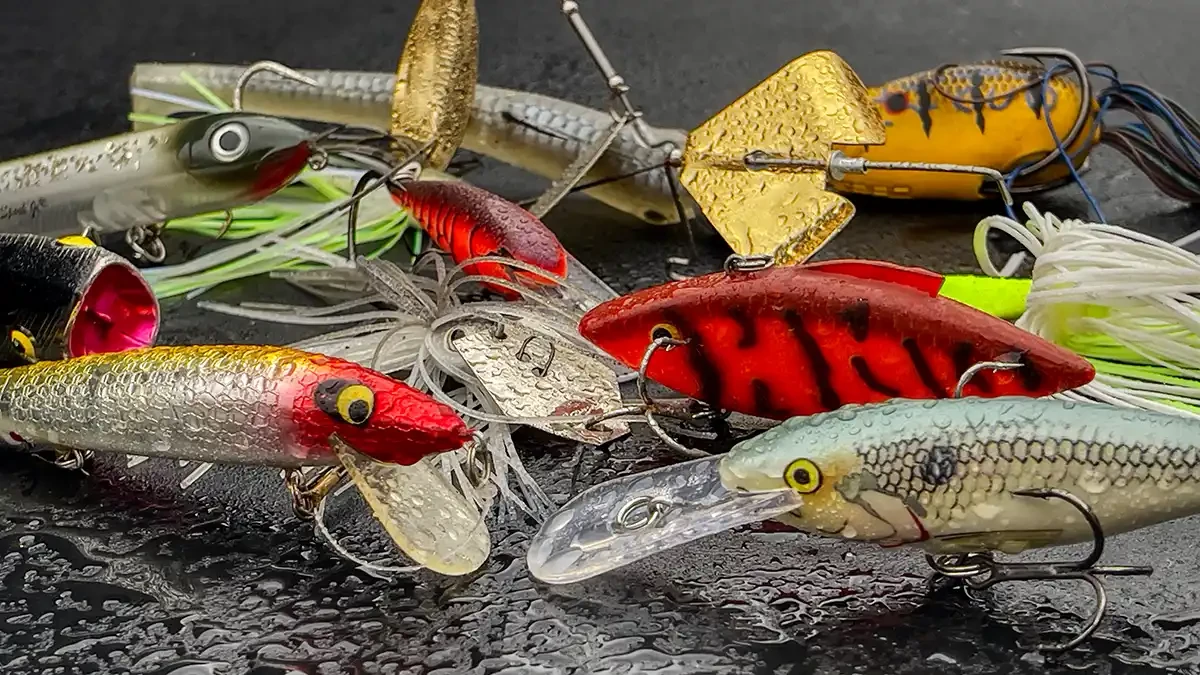
Crankbaits mimic the movement of small fish. They have a hard body and a lip that helps them dive. Anglers use them to target bass, walleye, and pike. They come in various colors and sizes. Fast or slow retrieves change their action.
Spinnerbaits
Spinnerbaits have a spinning blade. This blade creates vibrations in the water. Fish sense these vibrations and strike. Spinnerbaits work well in murky water. They are great for catching bass and pike. The flash and movement attract fish.
Soft Plastics
Soft plastics are flexible and lifelike. They come in many shapes, like worms and minnows. Anglers use them for a slow and natural presentation. They are effective for bass, crappie, and panfish. You can rig them in different ways.
Jigs
Jigs consist of a weighted head and a hook. You can add soft plastic or live bait. They work well in deep and shallow water. Anglers use them for bass, walleye, and perch. They are versatile and effective year-round.
Topwater Lures
Topwater lures create surface action. They mimic prey struggling on the water. Fish strike these lures with explosive force. They are great for bass and pike. Use them early morning or late evening. They provide exciting visual strikes.
Choosing The Right Lure
Selecting the right lure can greatly impact your freshwater fishing success. For best results, choose lures that mimic local prey. Experiment with colors and sizes to match water conditions.
Choosing the right lure for freshwater fishing can significantly impact your success. The type of lure you select should match the water conditions, target species, and seasonal factors. This guide will help you make an informed decision.Water Conditions
Water clarity and depth play a crucial role in lure selection. Clear water calls for natural-colored lures that mimic the local baitfish. In murky water, choose bright or noisy lures to attract fish. Deep waters need heavier lures, while shallow waters work best with lighter ones.Target Species
Different fish species respond to different lures. Bass often go for plastic worms and spinnerbaits. Trout prefer small spinners and flies. Research the habits of your target species to choose the most effective lure. Matching the lure to the fish’s natural diet increases your chances.Seasonal Considerations
Fish behavior changes with the seasons. During spring, fish are more active and aggressive, so use fast-moving lures. In summer, fish seek cooler, deeper waters, so deep-diving lures work better. Fall sees fish feeding heavily before winter, making larger lures effective. In winter, slow down your lure presentation as fish are less active. Choosing the right lure involves understanding your fishing environment and the behavior of your target species. Adjust your approach based on water conditions, species preferences, and seasonal changes for a successful fishing experience.Top Picks For Beginners
Starting with freshwater fishing can be overwhelming. There are many lures to choose from. This guide will help you pick the best lures for beginners. We will focus on the easiest lures to use and the best budget options.
Easiest Lures To Use
As a beginner, you want lures that are easy to use. These lures will help you catch fish without much effort.
- Spinnerbaits: Spinnerbaits are simple and effective. They mimic small fish or insects. They work well in many water conditions.
- Crankbaits: Crankbaits are versatile. They dive to different depths and attract various fish species. Easy to use and great for beginners.
- Soft Plastic Worms: Soft plastic worms are beginner-friendly. They are flexible and look like real worms. Fish find them irresistible.
Best Budget Options
Fishing can be affordable. Here are the best budget lures for beginners.
| Lure | Price Range | Features |
|---|---|---|
| Topwater Poppers | $5 – $10 | Float on water surface, easy to control |
| Inline Spinners | $3 – $8 | Simple design, effective in various waters |
| Jigs | $2 – $6 | Versatile, can be used with live bait |
These budget options offer great value. They are effective and won’t break the bank. Perfect for beginners trying to catch their first fish.
Advanced Lure Techniques
Fishing with lures requires skill and practice. Advanced lure techniques can improve your catch rate. These methods focus on retrieval and tuning. Mastering these can make your fishing trips more successful.
Retrieval Methods
Different retrieval methods can attract different fish. The steady retrieve is simple. Cast your lure and reel it in at a constant speed. This method works well with crankbaits.
The stop-and-go retrieve adds a pause. Reel in, then stop for a moment. This pause mimics injured prey. It often triggers bites from hesitant fish.
The twitching method involves short, sharp jerks. Use your rod tip to make the lure dart. This method is effective with jerkbaits and soft plastics.
Tuning Your Lure
Lure tuning ensures your bait runs true. Start by checking the lure’s action in the water. Adjust the eyelet if it pulls to one side. A small bend can correct this.
Weight adjustments can also help. Add split shot weights to change the depth. This can make your lure more appealing to fish at different levels.
Hooks must be sharp and properly aligned. Dull hooks reduce your chances of landing a fish. Regularly check and replace them as needed.
Essential Gear For Freshwater Fishing
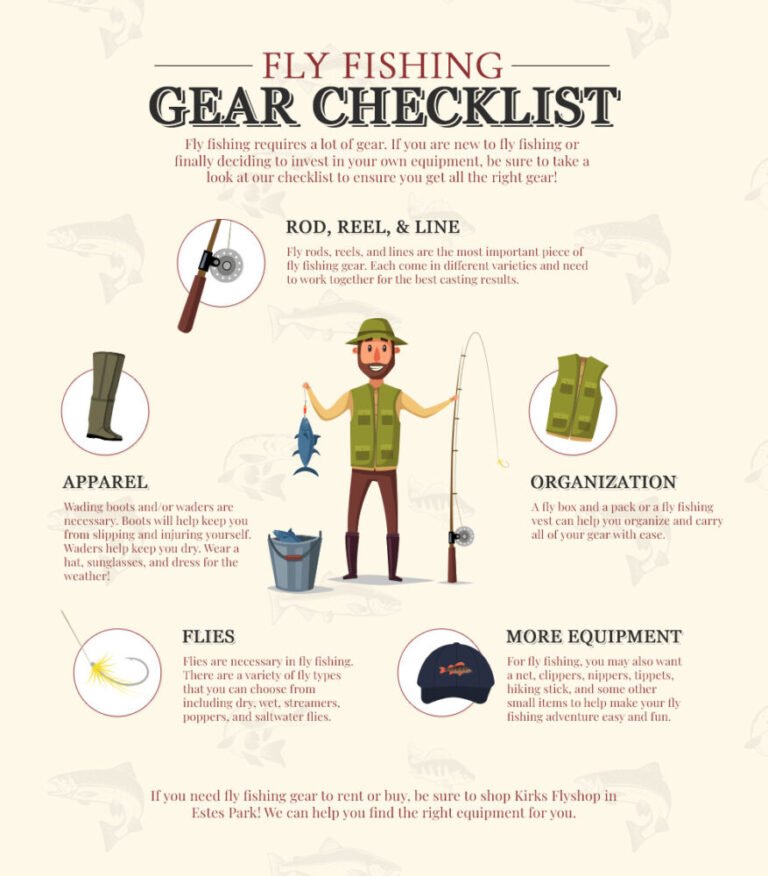
Freshwater fishing is a rewarding hobby. To start, you need the right gear. The right tools make a big difference. Here, we will explore the essential gear for freshwater fishing.
Rods And Reels
Your rod and reel are the heart of your fishing setup. Choose a rod that matches your fishing style. For beginners, a medium-action rod is best. It offers good flexibility and control. Pair it with a spinning reel. Spinning reels are easy to use and versatile. They work well for various fish species. Make sure the rod and reel balance well together. This ensures better performance and comfort.
Fishing Line
The fishing line connects you to the fish. Select a line based on your target species and water conditions. Monofilament lines are great for beginners. They are affordable and easy to handle. For more experienced anglers, braided lines offer strength and sensitivity. Fluorocarbon lines are nearly invisible in water. This can increase your chances of a catch. Always check the line strength. It should match the rod and reel capacity.
Tackle Storage
Organized tackle storage is crucial. It keeps your gear in order and easy to find. Use a tackle box with multiple compartments. This helps separate different lures and accessories. For mobile anglers, a tackle bag is ideal. It is lightweight and has many pockets. Waterproof tackle storage protects your gear from moisture. It ensures your lures stay in good condition. Keeping your tackle organized saves time and prevents frustration.
Fishing Safety Tips
Fishing is a beloved pastime for many. But it is important to stay safe while enjoying this hobby. This section covers essential fishing safety tips to keep you protected.
Protective Gear
Wearing the right gear can prevent many accidents. Always wear a hat to shield your head from the sun. Sunglasses protect your eyes from UV rays and flying hooks. Gloves can prevent cuts and improve grip on wet gear. A life jacket is crucial, especially when fishing on a boat or near deep water.
Environmental Awareness
Always be aware of your surroundings. Watch for slippery rocks and uneven ground. Respect wildlife and keep a safe distance from animals. Check weather forecasts before heading out. Sudden storms can be dangerous. Ensure you have a safe path back to your vehicle or camp. Carry a map or GPS device to avoid getting lost.

Credit: www.reddit.com
Frequently Asked Questions
What Are The Best Freshwater Fishing Lures?
The best freshwater fishing lures include crankbaits, spinnerbaits, and soft plastic worms. These lures are effective for various fish species. Choose based on the fish you’re targeting and water conditions.
How Do I Choose The Right Fishing Lure?
Choose the right fishing lure based on water clarity, fish species, and weather conditions. Bright colors work in murky water, while natural colors are best in clear water.
Why Use Crankbaits For Freshwater Fishing?
Crankbaits are great for covering large areas quickly. They mimic the movement of baitfish, attracting predatory fish. They are versatile and effective in different water conditions.
What Are Spinnerbaits Used For?
Spinnerbaits are used to attract fish in murky waters. They create vibrations and flash that mimic baitfish. They are effective for bass and pike.
Conclusion
Choosing the right freshwater fishing lure makes a big difference. Experiment with different types to see what works best for you. Always consider the water conditions and the fish you’re targeting. Keep learning and adapting your techniques. With the right lures, your fishing trips will be more successful and enjoyable.
Happy fishing!