Convenient New Hampshire Fishing Reports: Your Ultimate Guide
Fishing in New Hampshire is a popular activity. Keeping up with fishing reports can enhance your experience.
Finding accurate and timely fishing reports can be a challenge. Whether you are a seasoned angler or a beginner, knowing where to cast your line can make all the difference. New Hampshire offers a variety of fishing spots, from serene lakes to bustling rivers.
With convenient fishing reports, you can stay updated on the best locations, current conditions, and what’s biting. These reports help you plan better trips and improve your chances of success. Stay informed and make the most of your fishing adventures in New Hampshire. Let’s dive into the details.
Credit: edition.cnn.com
Introduction To New Hampshire Fishing Reports
Fishing in New Hampshire offers a unique experience. The state’s lakes, rivers, and streams provide diverse fishing opportunities. To make the most of your fishing trip, you need accurate, up-to-date fishing reports.
Importance Of Fishing Reports
Fishing reports are vital for planning a successful trip. They provide information on fish activity, water conditions, and weather patterns. This data helps you choose the best fishing spots. It saves time and increases your chances of a good catch.
Reports also inform you about local regulations. Knowing the rules prevents fines and ensures sustainable fishing. Respecting fish populations keeps the ecosystem healthy. So, fishing reports are essential for both success and conservation.
How To Use Fishing Reports
Start by checking the latest reports before your trip. Look for details on fish species, water temperature, and recent catches. This information helps you prepare the right gear and bait.
Use maps provided in the reports to find productive spots. Pay attention to the time of day and weather conditions mentioned. Adjust your plans based on this data for the best results.
Lastly, keep an eye on updates. Conditions can change rapidly. Staying informed helps you adapt and improve your fishing experience.
Best Sources For Fishing Reports
Finding the best fishing spots in New Hampshire can be a challenge. Reliable fishing reports are key. They help you know where fish are biting. This guide will show you the best sources for New Hampshire fishing reports.
Official Websites
Official websites provide accurate and up-to-date fishing reports. The New Hampshire Fish and Game Department is a top source. They update their website frequently. You can find reports on various lakes and rivers. Information includes fish species, water conditions, and fishing tips. Visit their site before your next trip.
Local Fishing Forums
Local fishing forums are great for real-time updates. Anglers share their experiences and tips. These forums are a community of passionate fishers. You can ask questions and get advice. They often have detailed reports from recent trips. Check out forums like Northeast Bass and New England Fishing. They are full of useful information.
Popular Fishing Spots In New Hampshire
Fishing in New Hampshire offers a diverse range of spots. Anglers find peace and excitement in its waters. From tranquil lakes to flowing rivers, New Hampshire has it all. Let’s explore some popular fishing spots.
Lakes And Ponds
New Hampshire is home to many serene lakes and ponds. Lake Winnipesaukee is the largest and most famous. Anglers catch trout, bass, and salmon here. The crystal-clear water adds to the charm.
Squam Lake is another top spot. It has a diverse fish population. Expect to find smallmouth bass and perch. The peaceful setting attracts many anglers.
Newfound Lake is also popular. It has deep waters and abundant fish. Rainbow trout and landlocked salmon are common catches. The lake’s beauty is unmatched.
Rivers And Streams
The state’s rivers and streams offer great fishing. The Connecticut River is a favorite. It flows for over 400 miles. Anglers find trout, bass, and walleye here.
Pemigewasset River is another gem. It is perfect for fly fishing. Brook trout and rainbow trout are frequent catches. The river’s scenic beauty adds to the experience.
Saco River is also notable. It runs through the White Mountains. Expect to catch brook trout and smallmouth bass. The river’s clear water is ideal for fishing.
Seasonal Fishing Insights
New Hampshire offers diverse fishing opportunities throughout the year. Each season brings unique challenges and rewards for anglers. Understanding these seasonal changes helps you make the most of your fishing trips. Here are some tips for fishing in New Hampshire during different seasons.
Spring Fishing Tips
Spring is a great time for fishing in New Hampshire. As the ice melts, fish become more active. Look for shallow waters where fish are likely feeding. Use bright lures to attract fish in the murky water. Target species like trout and bass which are common in spring.
Summer Fishing Tips
Summer brings warmer waters and different fishing strategies. Fish often move to deeper, cooler waters. Early mornings and late evenings are the best times to fish. Use live bait or lures that mimic local prey. Focus on shaded areas and drop-offs where fish seek refuge from the sun.
Fall Fishing Tips
Fall is ideal for fishing as fish prepare for winter. Cooler temperatures mean fish are active throughout the day. Use larger baits to attract bigger fish. Target species like salmon and trout that are abundant in fall. Look for areas with plenty of cover where fish can hide.
Winter Fishing Tips
Winter fishing in New Hampshire often means ice fishing. Ensure safety by checking ice thickness before venturing out. Use smaller jigs and live bait to entice fish. Target species like perch and crappie which are common in winter. Be patient and prepared for cold conditions.
Fishing Techniques For New Hampshire Waters
New Hampshire offers diverse fishing opportunities for anglers. The state’s lakes, rivers, and streams are teeming with fish. To make the most of your fishing trip, it’s essential to know the best techniques. Here are some popular methods to consider.
Fly Fishing
Fly fishing is a favorite in New Hampshire. It involves casting a lightweight lure, known as a fly, using a specialized rod and line. The goal is to mimic insects that fish eat. Fly fishing is ideal for trout and salmon. Many anglers enjoy the challenge and skill it requires.
Ice Fishing
Ice fishing is popular during the cold New Hampshire winters. Anglers drill holes in the ice and fish through them. This method is effective for catching perch, trout, and bass. Make sure the ice is thick enough to support your weight. Safety is crucial in ice fishing.
Bait Fishing
Bait fishing is a simple yet effective method. Anglers use live bait or artificial lures to attract fish. Common baits include worms, minnows, and insects. This technique works well for a variety of fish species. It’s perfect for beginners and experienced anglers alike.
Essential Gear For New Hampshire Fishing
Fishing in New Hampshire offers a unique experience. From serene lakes to flowing rivers, you need the right gear to make your trip enjoyable and successful. Here’s a guide on the essential gear for New Hampshire fishing.
Rods And Reels
Your choice of rods and reels is crucial. They vary based on the type of fish you target. For trout and bass, a medium-action rod works well. It provides a good balance of strength and flexibility. Pair it with a spinning reel for easy casting.
If you aim for bigger fish like pike or salmon, choose a heavy-action rod. It offers more power. Use a baitcasting reel to handle stronger lines. This combo helps in reeling in larger catches.
Fly fishing is popular in New Hampshire. A 9-foot fly rod is ideal. It gives you the reach needed for longer casts. Match it with a fly reel designed for smooth drag. This setup ensures you can handle swift river currents.
Bait And Lures
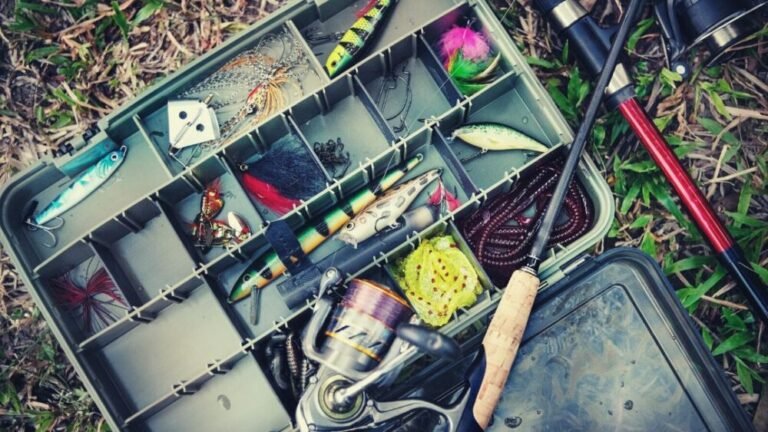
Choosing the right bait and lures increases your chances of a good catch. Live bait such as worms and minnows attract a variety of fish. They are natural and effective.
Artificial lures offer versatility. Use spinners for their flash and vibration, which attract fish in murky waters. Crankbaits mimic the movement of small fish. They are great for deeper waters where predatory fish hunt.
For fly fishing, carry a selection of dry flies, wet flies, and nymphs. They imitate different insects. This selection helps in matching the hatch and increasing your success rate.
Safety Equipment
Your safety is paramount. Always wear a life jacket when fishing from a boat. This simple piece of gear can save your life in an emergency.
Carries a first aid kit. It should include bandages, antiseptic wipes, and pain relievers. Quick access to these items can prevent minor injuries from becoming serious.
A weather-resistant bag can store your electronics, maps, and other essentials. Keeping them dry is crucial. Don’t forget to pack a whistle. It is a small tool that can help signal for help.
Local Regulations And Guidelines
Fishing in New Hampshire is a beloved pastime. To protect the waters and ensure sustainability, it’s crucial to follow local regulations and guidelines. These rules help maintain the balance of aquatic life, providing a great experience for all anglers.
Fishing Licenses
Before casting your line, you need a valid fishing license. These licenses are available for residents and non-residents. You can purchase them online or at various authorized agents. The New Hampshire Fish and Game Department offers different types of licenses. Options include annual, short-term, and lifetime licenses.
Here’s a quick overview:
| License Type | Resident | Non-Resident |
|---|---|---|
| Annual | $45 | $63 |
| 7-Day | $28 | $35 |
| 1-Day | $10 | $15 |
Having a license is important for legal and conservation reasons. It helps fund wildlife management and conservation projects.
Catch And Release Rules
Practicing catch and release helps sustain fish populations. There are specific rules to follow. For instance, use barbless hooks. They cause less injury to the fish. Always handle fish with wet hands to protect their slime coating. Avoid keeping fish out of the water for too long.
Follow these tips for a successful catch and release:
- Use appropriate gear to minimize injury.
- Release fish quickly and gently.
- Revive tired fish by holding them in the water.
Respecting these rules ensures future generations can enjoy fishing too. Happy fishing!
Tips From Local Anglers
Fishing in New Hampshire can be a delightful experience. Local anglers have a wealth of knowledge. They offer practical tips that can enhance your fishing adventure. Learning from their experiences can save you time and effort. Below, we share some valuable tips from local anglers.
Expert Advice
Local anglers suggest studying the water. Observe fish behavior closely. Understand their feeding patterns. This knowledge helps in choosing the right bait. Early morning and late evening are the best times to fish. Fish are more active during these hours. Always check the weather forecast before heading out. Fish respond to changes in weather conditions.
Common Mistakes To Avoid
One common mistake is not using the correct bait. Each fish species prefers different bait. Another mistake is fishing in crowded areas. Look for quiet spots where fish feel safe. Many beginners forget to stay quiet. Loud noises can scare the fish away. Lastly, not respecting local regulations can lead to fines. Always follow the fishing rules of New Hampshire.
Planning Your Fishing Trip
Planning your fishing trip in New Hampshire can be a delightful experience. With the right information, you can enjoy a successful and fun-filled outing. Here, we provide you with essential details to make your trip planning easier.
Best Times To Fish
The best times to fish in New Hampshire vary by season. Spring and early summer offer great opportunities. During these months, fish are more active and easier to catch. Fall is also a fantastic time, especially for trout and salmon. Early morning and late afternoon are often the most productive times of day.
Here’s a quick guide:
- Spring: March to May
- Summer: June to August
- Fall: September to November
Weather Considerations
Weather plays a crucial role in planning your fishing trip. Check the forecast before heading out. Rain can improve fishing conditions, as fish are more likely to bite. Wind direction is another important factor. A gentle breeze can enhance your chances of a good catch. Avoid extremely hot or cold days for the best experience.
To stay prepared, keep these tips in mind:
- Check weather forecasts regularly.
- Dress in layers for varying temperatures.
- Bring rain gear for unexpected showers.
Accommodation Options
New Hampshire offers a variety of accommodation options for your fishing trip. From cozy cabins to modern hotels, you have many choices. Consider staying near popular fishing spots for convenience. This way, you can maximize your fishing time and minimize travel.
Here are some options to consider:
| Accommodation Type | Features |
|---|---|
| Cabins | Rustic charm, close to nature, often near lakes or rivers |
| Hotels | Comfortable amenities, convenient locations, dining options |
| Campgrounds | Budget-friendly, outdoor experience, varied locations |
Choosing the right accommodation can enhance your overall fishing experience. Whether you prefer a cozy cabin or a modern hotel, New Hampshire has something for everyone.
Credit: northcountryangler.com

Credit: onthewater.com
Frequently Asked Questions
What Are The Best Fishing Spots In New Hampshire?
New Hampshire offers numerous fishing spots. Popular ones include Lake Winnipesaukee, Connecticut River, and Merrimack River. These locations are known for their variety of fish species and scenic beauty.
When Is The Best Time To Fish In New Hampshire?
The best time to fish in New Hampshire is during the spring and fall. These seasons offer optimal water temperatures and active fish behavior, enhancing your fishing experience.
What Types Of Fish Can You Catch In New Hampshire?
In New Hampshire, anglers can catch species like trout, bass, salmon, and pike. Each waterbody has its unique fish population, offering diverse fishing opportunities.
Do I Need A License To Fish In New Hampshire?
Yes, you need a fishing license to fish in New Hampshire. Licenses can be easily obtained online or at local retailers, ensuring compliance with state regulations.
Conclusion
New Hampshire fishing reports offer valuable insights for anglers. Stay updated on local fishing conditions. Plan trips better with accurate information. Enjoy the best fishing spots. Catch more fish. Have a great time outdoors. Use these reports to enhance your fishing experience.
Happy fishing!